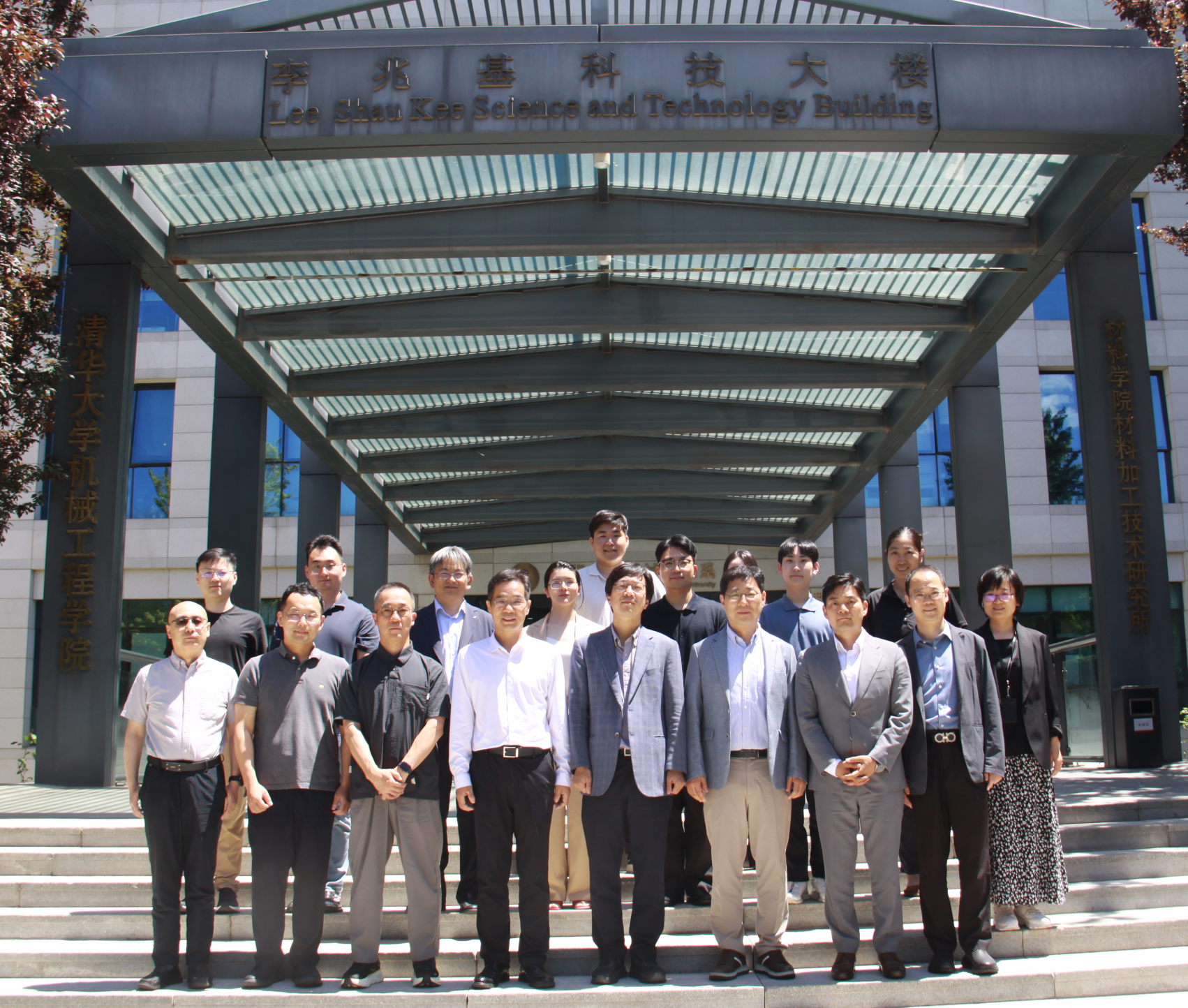
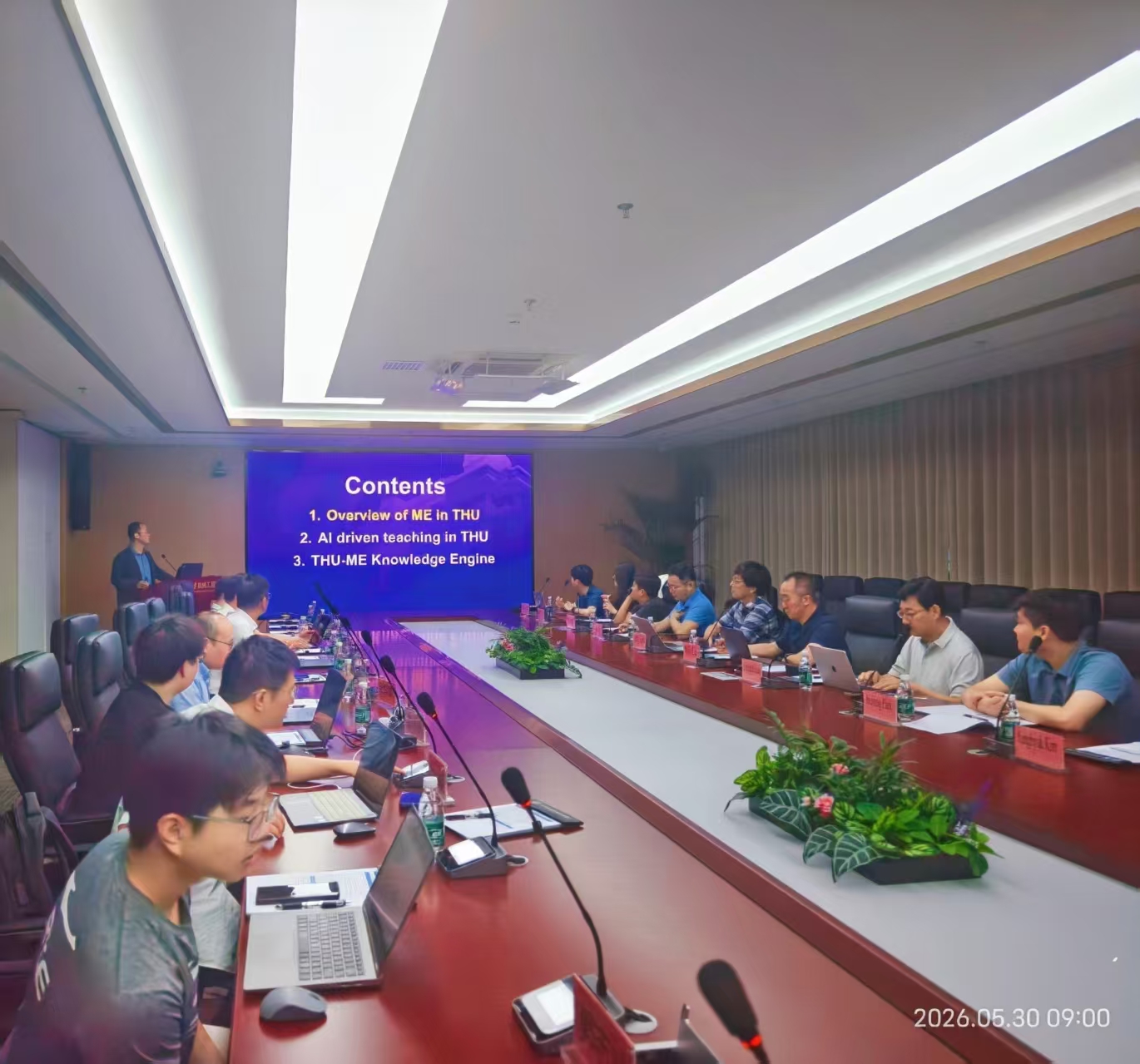
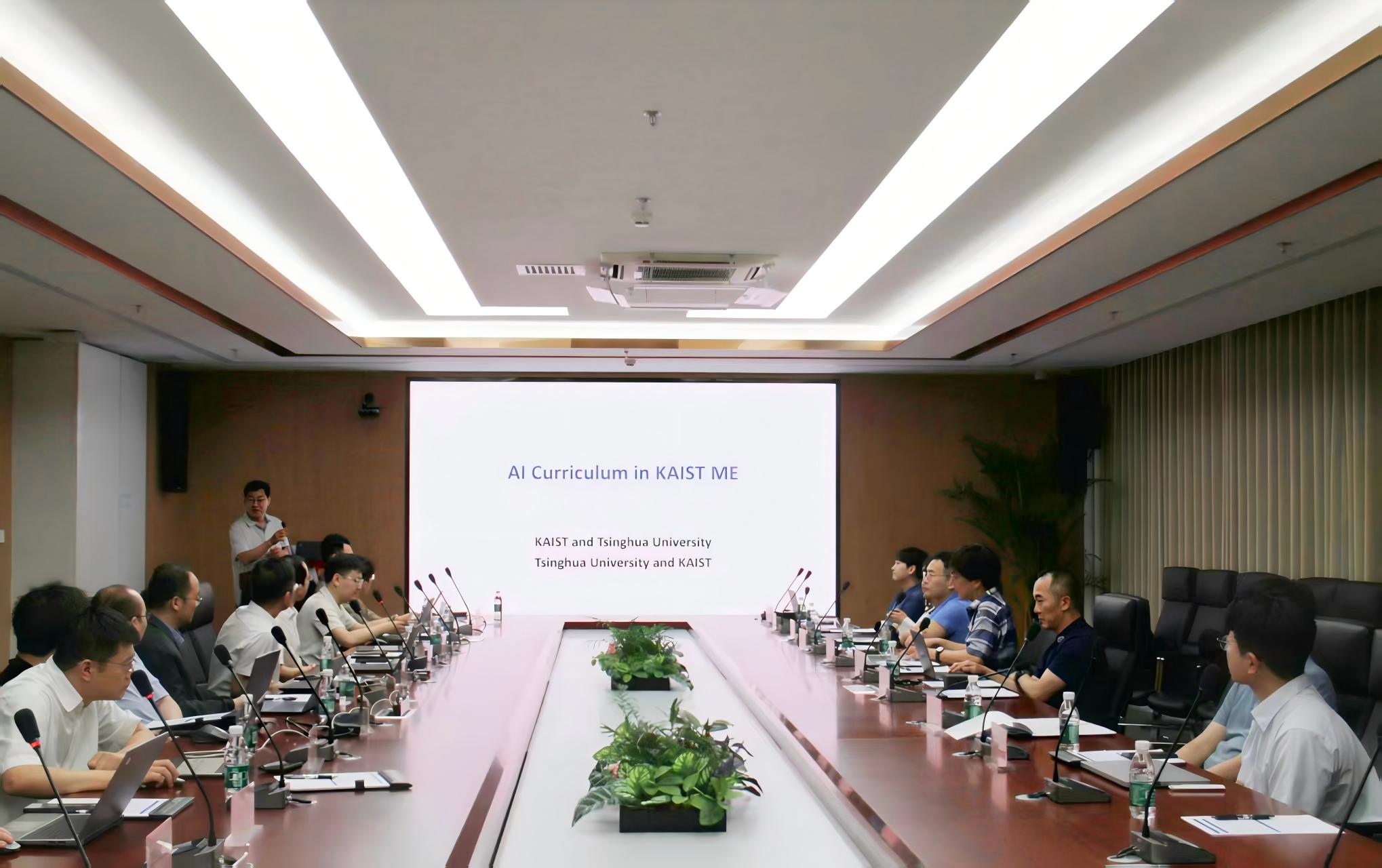
From May 29 to 30, a nine-member delegation led by Professor Jung Kim, Head of the Department of Mechanical Engineering at the Korea Advanced Institute of Science and Technology (KAIST), visited the Department of Mechanical Engineering at Tsinghua University. Together, the two departments hosted the joint workshop on AI-Driven Mechanical Engineering Education and Research. More than 30 faculty members and students from Tsinghua's Department of Mechanical Engineering department, who are actively engaged in AI-driven teaching and research, participated in the event.
The workshop aimed to foster in-depth exchange between the two institutions in the areas of AI-driven talent development and scientific research within mechanical engineering. During the event, both sides confirmed the intention and specific details regarding the establishment of a Tsinghua-KAIST double master's degree program in mechanical engineering, laying a solid foundation for comprehensive future collaboration and deeper exchanges.
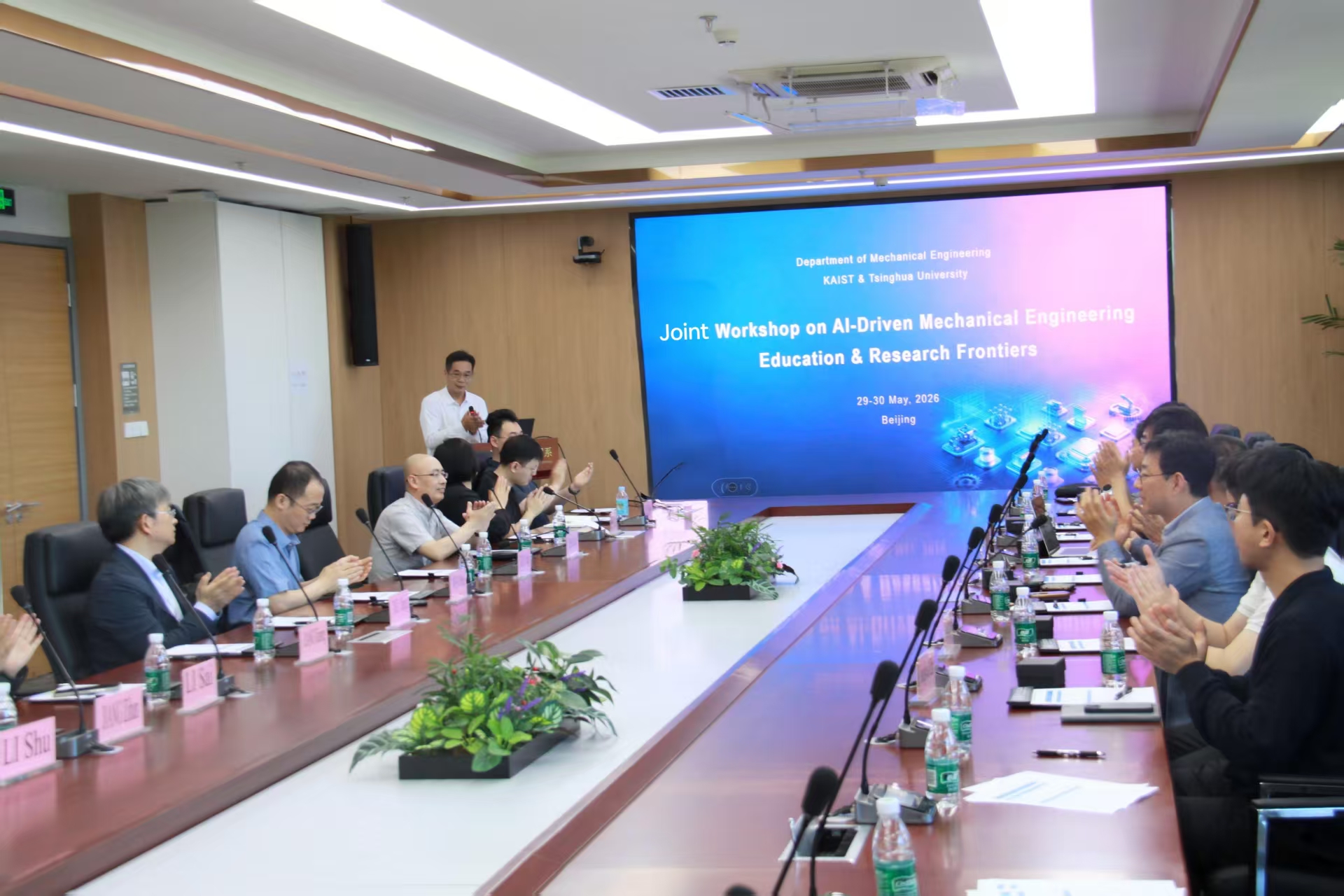
The opening ceremony on the morning of May 29th was chaired by Ma Liran, Deputy Dean of the Department of Mechanical Engineering at Tsinghua University. Zhou Ming, Dean of the Department of Mechanical Engineering at Tsinghua, and Professor Jung Kim, Head of the Department of Mechanical Engineering at KAIST, delivered welcome addresses. They introduced the attending members from both sides, reviewed the foundation of their prior cooperation and the meticulous preparations for the workshop, and expressed their gratitude and warm welcome to all participating faculty and students. They encouraged brainstorming on AI-driven talent development and scientific research in mechanical engineering, hoping to foster in-depth discussions and insights. Following this, based on prior email exchanges, the two sides held detailed discussions on specific issues related to the double-degree program, including course continuity and mutual recognition of credit, and confirmed the relevant content for establishing the double master's degree program.
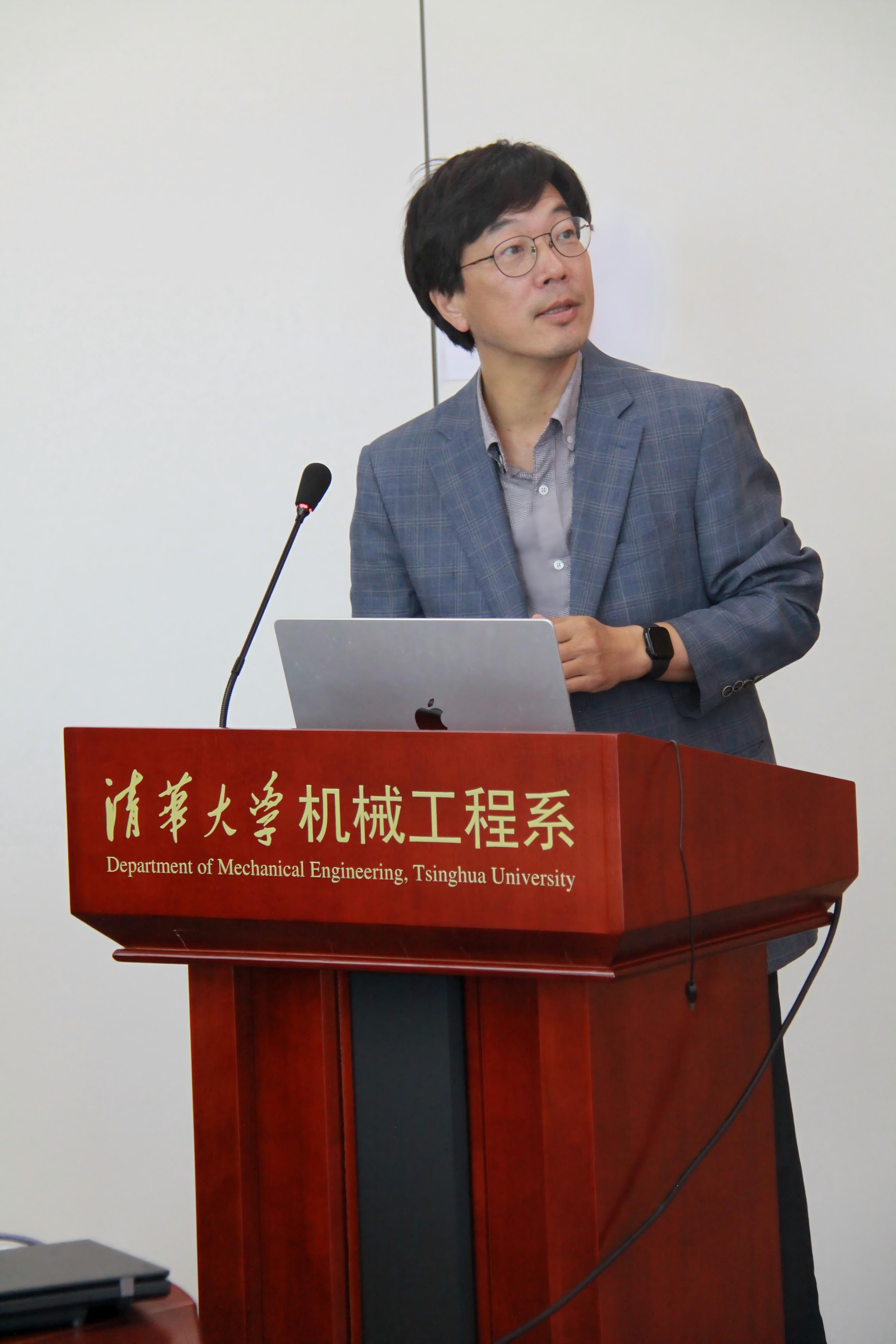
Over the next two days, the keynote sessions and exchanges were moderated by Wen Peng, Deputy Dean of the Department of Mechanical Engineering at Tsinghua. Faculty and students from both universities presented their latest research findings and practical experiences around two major themes: "AI for Mechanical Engineering Research" and "AI-Infused ME Education." They delivered talks and engaged in in-depth discussions on AI applications in areas such as intelligent design and manufacturing, visuotactile robotics, data-fusion modeling, 3D-printed bone implants, flexible intelligent sensing, physics-informed neural networks, AI knowledge engines, and smart teaching.
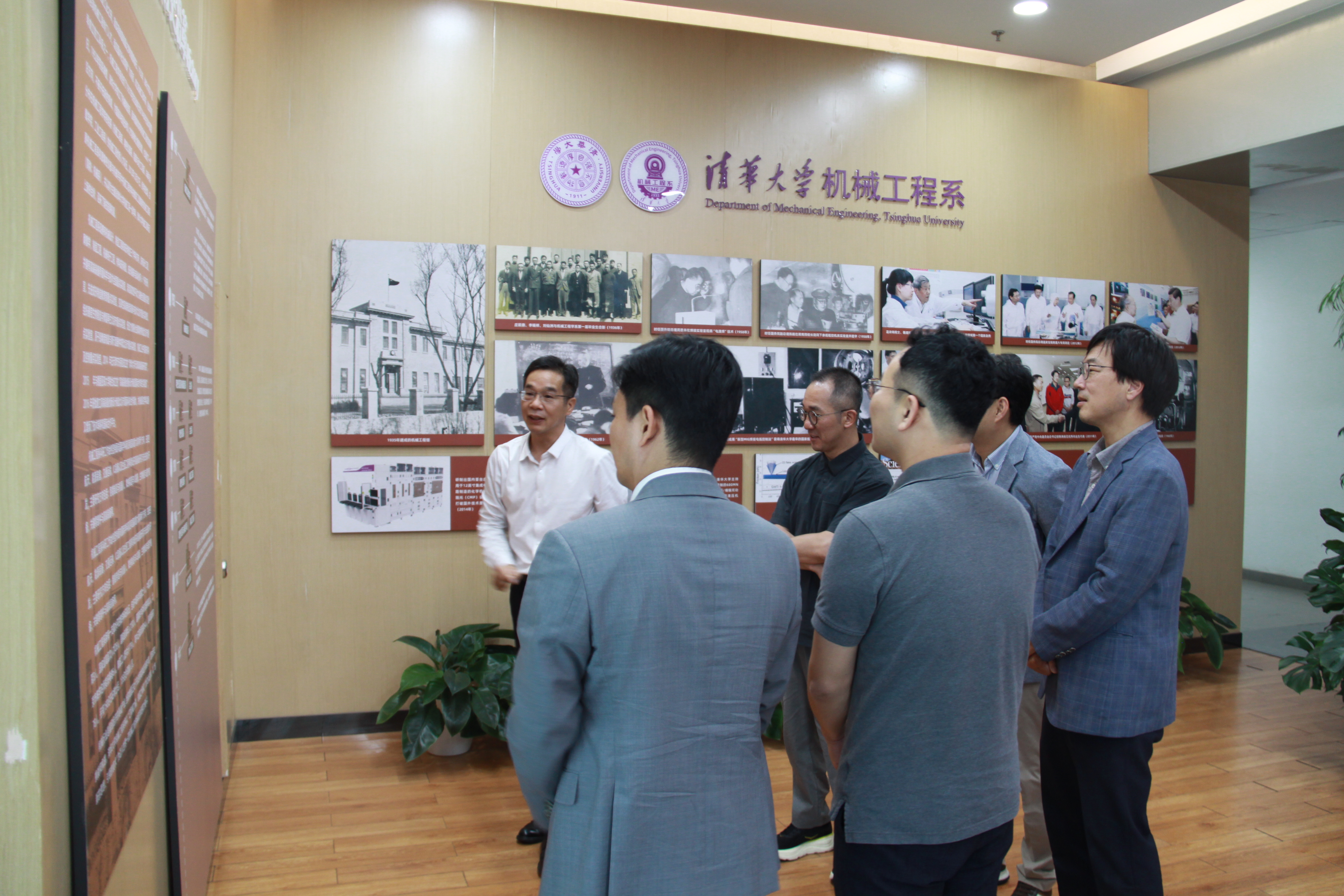
A special doctoral student session was arranged, in which six PhD students from the two institutions presented their cutting-edge research on AI applications in mechanical engineering, demonstrating the innovative vitality of young scholars. During the visit, the KAIST delegation toured Tsinghua's Soft Robot Manufacturing Laboratory and Artificial Life Robotics Laboratory. Professors Zhao Huichan and Li Shuguang introduced their labs’ flagship achievements in soft and bionic robotics, respectively.
KAIST is a top-tier institute of science and technology in South Korea, with strong programs in mechanical engineering, computer science, electronics, and materials science. Its Department of Mechanical Engineering offers all courses in English and has developed a distinctive AI4ME curriculum system, leveraging AI to drive transformative talent development in the mechanical field. The department has achieved notable research outcomes in areas such as physics-informed neural networks, intelligent design and manufacturing, intelligent robotics, and intelligent materials processing. It also maintains close industry-academia collaboration and demonstrates outstanding technology transfer results.
This workshop has further deepened academic exchanges in mechanical engineering between the two institutions and solidified the foundation for launching the double-degree program. Both sides have expressed a shared commitment to continuously strengthen collaborative innovation in AI-driven education and research, working together to cultivate creative leaders in mechanical engineering who possess a global vision and are capable of pioneering advancements in the intelligent era.


